

Peptide Science
Salicylic Acid and Peptides: Are They Compatible?
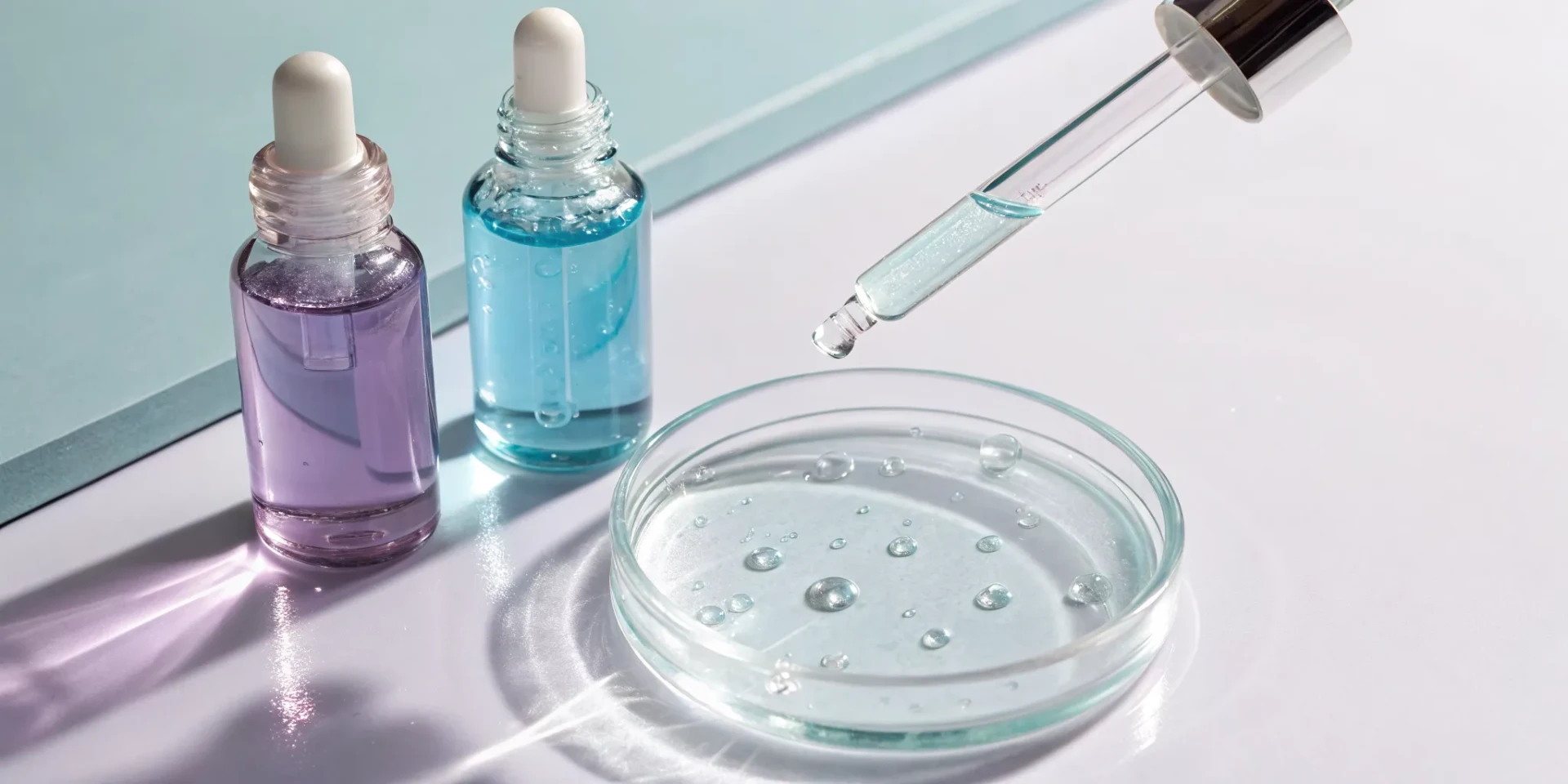
You want the pore-clearing results of an exfoliant and the restorative, firming benefits of a repair serum. Salicylic acid is your go-to for the first job, and peptides are the star player for the second. The problem arises when you try to use both at once. It’s a common mistake to layer these ingredients, but their conflicting pH needs mean you could be canceling out their benefits before they even have a chance to work. To successfully use salicylic acid and peptides, you need a strategy. This article will provide a clear, actionable plan for incorporating both into your routine safely and effectively.
Key Takeaways
- Time Your Applications for Maximum Effect: To prevent salicylic acid from deactivating your peptides, use them at different times. A great strategy is applying salicylic acid in the morning to clear pores and using restorative peptides at night when your skin is in its natural repair cycle.
- Focus on Supporting Your Skin Barrier: Salicylic acid can be drying, so it's crucial to follow up with a good moisturizer and daily sunscreen. A strong, hydrated skin barrier creates the perfect environment for peptides to work effectively and helps prevent irritation.
- Introduce New Ingredients Methodically: When starting, use a low concentration of salicylic acid just a few times a week and always patch test new products. Keeping the rest of your routine simple allows your skin to adjust and helps you pinpoint any potential sensitivity.
What Is Salicylic Acid & How Does It Work?
If you’ve ever dealt with a breakout, you’ve likely come across salicylic acid. It’s a star ingredient in countless skincare products, and for good reason. But to understand how it interacts with other compounds, like the research peptides you might be working with, it’s important to first understand its fundamental properties and mechanism of action. Salicylic acid is more than just a spot treatment; it’s a powerful chemical exfoliant with a specific job to do. By breaking down how it works on a chemical level, you can make more informed decisions about incorporating it into a routine.
Understanding Its Role as a BHA
First things first, salicylic acid is a beta hydroxy acid, or BHA. As skincare experts note, "Salicylic acid falls into the category of beta hydroxy acids. Like glycolic acid, it’s a chemical exfoliant in various exfoliating products." What makes it different from its alpha hydroxy acid (AHA) cousins, like glycolic or lactic acid, is its structure. Salicylic acid is oil-soluble, which means it can cut through the oils and lipids on your skin's surface to penetrate deeper into your pores. This unique ability allows it to clear out the sebum and debris that can lead to congestion, making it a go-to for oily and acne-prone skin types.
How It Exfoliates Your Skin
The primary function of salicylic acid is exfoliation. It works as a keratolytic agent, meaning it helps dissolve and break down the outer layers of the skin. It does this by softening and loosening the desmosomes, which are the protein "bridges" that hold your skin cells together. As these bonds are weakened, dead skin cells can shed more easily, revealing the fresher, healthier-looking skin underneath. This process of chemical exfoliation also "allows other skincare ingredients, including peptides, to have better penetration and work better," creating a clean slate for the rest of your routine to be more effective.
Is Salicylic Acid Right for You?
While salicylic acid is a fantastic exfoliant, its effectiveness depends on your skin type and the other ingredients you use. Because it’s so good at cutting through oil, it can sometimes be drying for those with sensitive or dry skin. The key is finding the right balance and pairing it with supportive ingredients. For instance, "salicylic acid is generally safe to use alongside ingredients like hyaluronic acid... Also on the safe-to-mix list are peptides, which support skin barrier function." This is great news, as it means you don't necessarily have to choose between exfoliating and repairing. The question isn't if you can use them, but how you use them together for the best results.
What Are Peptides & What Do They Do?
Now that we’ve covered salicylic acid, let's talk about the other key player in this conversation: peptides. If you’re involved in biotechnological research, you’re likely familiar with these molecules. Peptides are essential to countless biological functions, and their application in skincare is one of the most exciting areas of development. At their core, peptides are communicators, sending signals that direct cells to perform specific jobs, like healing and regenerating. This is why they are so fundamental in both advanced research and effective skincare.
Their role as cellular messengers is why they are so valuable in research and product formulation. Soon, Vector E Lab will offer high-purity research peptides for laboratory applications, allowing for further exploration into their powerful capabilities. In skincare, this signaling function is used to encourage the skin to rebuild and rejuvenate itself from within. Think of them as tiny but mighty managers, instructing your skin cells on how to maintain their health, strength, and resilience. Understanding what they are and how they work is the first step to using them effectively in any routine, whether you're formulating in a lab or building a personal skincare regimen.
A Quick Guide to Peptide Types
So, what exactly are peptides? Simply put, peptides are short chains of amino acids, which are the building blocks of proteins like collagen and elastin. Because their molecular size is much smaller than that of a full protein, they can more easily penetrate the skin's surface and get to work.
There are many different types of peptides, each with a unique job. For example, signal peptides can tell your skin to produce more collagen, which helps maintain firmness. Carrier peptides deliver trace minerals to the skin to support wound healing, while other types can help relax facial muscles to smooth the appearance of expression lines. Each one has a specific message to deliver, making them highly targeted and effective ingredients.
What Peptides Can Do for Your Skin
The benefits of incorporating peptides into a skincare routine are impressive. Their primary function is to compensate for the natural decline in your body's own peptide production as you age. By reintroducing them topically, you can support your skin's foundational structure and overall health.
Peptides help your skin make more collagen, making it firmer and more elastic. They also strengthen your skin's protective barrier, which is your first line of defense against environmental stressors. On top of that, they can help skin hold more moisture, keeping it hydrated and plump. Some peptides even have anti-inflammatory properties that help skin heal and reduce swelling, making them a great supportive ingredient for many skin types and concerns.
How They Help Rebuild and Repair
One of the main reasons peptides are so popular in skincare for anti-aging is their ability to kickstart the skin’s natural repair processes. As we get older, our collagen production slows down, leading to common signs of aging like fine lines, wrinkles, and a loss of firmness. Peptides step in to address this directly.
By promoting collagen production and skin elasticity, peptides can help to reduce the appearance of fine lines and wrinkles over time. This isn't just a temporary fix; they work at a cellular level to encourage your skin to rebuild its own supportive structures. This restorative function makes your skin appear smoother and feel more resilient, effectively turning back the clock on a microscopic level.
Can You Use Salicylic Acid and Peptides Together?
Pairing active ingredients in your skincare routine can feel like a complex chemistry experiment. You want to combine the best ingredients for your skin, but you also want to make sure they actually work well together. Salicylic acid and peptides are two popular and effective ingredients, but their compatibility is a frequent point of confusion. While they both offer incredible benefits, using them at the same time can be counterproductive. The key isn't to pick one over the other; it's to understand how to use them strategically so your skin gets the best of both worlds.
Why Acids Can Break Down Peptides
The main issue with using salicylic acid and peptides together comes down to their chemical nature. Peptides are delicate chains of amino acids, and their structure is what allows them to signal your skin to repair and rebuild. Strong acids, including salicylic acid, create a low-pH environment that can break down these fragile peptide bonds through a process called hydrolysis.
When this happens, the peptides are essentially dismantled and become ineffective. You lose out on their powerful skin-repairing benefits because the acid has destabilized them before they can do their job. Think of it as trying to build a delicate structure in the middle of a storm; the conditions just aren't right for it to hold together. To get the full effect of your peptide products, you need to protect their structure from harsh, acidic environments.
The Importance of pH Balance
Every skincare ingredient has an optimal pH level at which it performs best. Salicylic acid, a beta-hydroxy acid (BHA), is most effective as an exfoliant at a low, acidic pH, typically between 3 and 4. This acidity is what allows it to dissolve oil and dead skin cells inside the pore. On the other hand, most peptides are formulated to be most stable and effective at a more neutral pH, closer to your skin's natural level of around 5.5.
When you layer these two ingredients, the low pH of the salicylic acid drastically alters the environment for the peptides. This pH mismatch not only risks breaking down the peptides but can also reduce the effectiveness of both ingredients. To ensure each active can work as intended, it's best to maintain their stability by applying them separately.
So, Should You Avoid Using Them Together?
You definitely don't need to banish one of these ingredients from your routine. The solution is simple: use them at different times. By separating their application, you allow each ingredient to work at its ideal pH without interference. This ensures you receive the full benefits of both the exfoliating acid and the restorative peptides.
A great approach is to incorporate salicylic acid into your morning routine and save your peptides for the evening. In the morning, salicylic acid can help clear out pores and manage oil throughout the day. At night, your skin enters its natural repair cycle, which is the perfect time to apply peptides to support collagen production and skin renewal. This simple scheduling trick lets you safely and effectively use both powerhouse ingredients.
How to Safely Layer Salicylic Acid and Peptides
So, you want the pore-clearing power of salicylic acid and the restorative benefits of peptides? Great news: you don't have to choose. The secret isn't in a special product that does it all, but in a smart routine that lets each ingredient work its magic without interference. The simplest and most effective strategy is to separate them, using one in the morning and the other at night. This approach prevents the acidic nature of salicylic acid from breaking down the delicate peptides, ensuring you get the full benefit from both. Think of it as giving each star player their own time to shine on the court.
Your Morning Routine: Using Salicylic Acid
Start your day with salicylic acid. As a beta-hydroxy acid (BHA), it’s fantastic at exfoliating the skin and clearing out pores, creating a smooth canvas for the day ahead. Using it in the morning helps manage any oil that built up overnight and keeps your complexion looking clear. After cleansing your face, apply your salicylic acid product, like a toner or serum. Let it absorb for a minute before following up with a hydrating serum, moisturizer, and, most importantly, sunscreen. This separation is crucial because certain peptide combinations can become less effective when mixed directly with acids.
Your Evening Routine: Applying Peptides
Reserve your evening routine for peptides. Nighttime is when your skin naturally shifts into repair mode, making it the perfect opportunity to apply ingredients that support rebuilding and restoration. Peptides are signaling molecules that encourage your skin to produce more collagen and elastin, which helps with firmness and texture. Applying research peptides in a serum after cleansing allows them to work undisturbed overnight. Follow up with a good moisturizer to seal in the peptides and provide your skin with the hydration it needs to carry out its restorative functions while you sleep. This simple time-of-day swap ensures both ingredients remain stable and effective.
The Correct Order of Application
Keeping your routine straightforward is the best way to see results and avoid irritation. When you separate your actives between morning and night, you simplify the process and reduce the risk of overwhelming your skin. A general rule for any routine is to apply products from the thinnest consistency to the thickest. For both your morning and evening routines, a good order to apply skincare ingredients would be: cleanse, tone (if you use one), apply your active serum (salicylic acid in the AM, peptides in the PM), and then finish with moisturizer. In the morning, your final and most critical step is always sunscreen.
Common Mistakes to Avoid
Navigating the world of active ingredients can feel like a chemistry experiment. While salicylic acid and peptides can both be incredible assets in a routine, a few common missteps can prevent you from seeing results or, worse, cause irritation. By understanding the science behind how these ingredients interact, you can sidestep these pitfalls and ensure each product works effectively. Let’s walk through the most frequent mistakes so you can build a routine that is both safe and successful.
Applying Peptides Right After Acid
The most critical error is layering peptides directly on top of salicylic acid. The issue comes down to pH levels. Salicylic acid is effective in a highly acidic environment (a pH between 3 and 4), which allows it to exfoliate properly. Peptides, on the other hand, are fragile chains of amino acids that require a more neutral pH (around 5.5 to 6.5) to maintain their structural integrity. Applying a peptide product immediately after an acid can destabilize the peptides, breaking them down and making them ineffective. To avoid this, simply use them at different times of the day.
Going Overboard with Exfoliation
While exfoliation is key to helping other products absorb, it's easy to overdo it. Using salicylic acid too frequently can compromise your skin's protective barrier, leading to redness, dryness, and sensitivity. Although exfoliation enables the peptide serum to penetrate deeply, an irritated and inflamed surface isn't the right foundation for the restorative work of peptides. Instead of helping, you create a cycle of damage and repair that leaves your skin stressed. Listen to your skin. If it feels tight, looks red, or stings after application, it’s a clear sign to reduce the frequency of your exfoliant. Balance is the goal.
Forgetting to Moisturize and Protect
Salicylic acid is an oil-soluble exfoliant, and one of its potential side effects is dryness. A common mistake is failing to adequately hydrate the skin after using it. Following up with a good moisturizer helps to replenish any lost moisture and support your skin barrier. Ingredients like hyaluronic acid are particularly helpful to mitigate dryness that salicylic acid might cause. Furthermore, since exfoliation reveals fresh, new skin cells that are more vulnerable to sun damage, applying a broad-spectrum sunscreen every morning is non-negotiable. This protects your skin and the results you’re working to achieve.
Mixing Too Many Strong Actives
When you’re excited about skincare, it’s tempting to add multiple powerful ingredients to your routine all at once. However, this can often do more harm than good. When using an active like salicylic acid, it’s best to keep your routine simple to avoid overwhelming your skin. Combining salicylic acid with other potent actives like retinoids, vitamin C, or other AHAs and BHAs in the same routine can increase the risk of severe irritation and a damaged skin barrier. By separating your salicylic acid and peptide applications, you’re already taking a smart step. Don’t complicate it further by adding more variables.
Tips for Introducing Both Ingredients
So, you're ready to bring both salicylic acid and peptides into your routine. That's great! The key to success is a careful and methodical approach. Think of it like a controlled experiment: you want to introduce new variables one at a time to accurately gauge the results and avoid any unwanted reactions. Rushing the process or throwing too much at your skin at once can lead to irritation and compromise the effectiveness of these powerful ingredients. By following a few simple guidelines, you can help your skin adjust beautifully and get the most out of both your acid and your peptides. Let's walk through the best practices for getting started.
Start Low and Slow with Your Acid
When you first introduce salicylic acid, it's smart to begin with a lower concentration. This gives your skin time to acclimate and helps you avoid potential dryness or irritation. Most over-the-counter products, like cleansers and toners, contain salicylic acid in the 0.5% to 2% range. Starting with a product on the lower end of that spectrum, maybe around 0.5% to 1%, is a great way to test the waters. You can use it a few times a week and monitor how your skin responds. If everything looks good after a few weeks, you can gradually increase the frequency or consider a slightly higher concentration for more targeted treatments. This "start low and slow" method ensures you find the sweet spot for clear, happy skin.
Always Patch Test New Products
Before you apply any new product to your entire face, please do a patch test. This is a non-negotiable step, especially when working with active ingredients. A patch test helps you check for any potential allergic reactions or sensitivity before it becomes a bigger problem. Simply apply a small amount of the product to a discreet area of skin, like behind your ear or on your inner arm. Wait at least 24 to 48 hours and watch for any signs of redness, itching, or irritation. If your skin looks clear and feels fine, you're likely good to go. This simple precaution saves you from a lot of potential grief and ensures your new products play well with your skin.
Keep Your Skincare Routine Simple
While it’s tempting to try all the exciting new products at once, it’s best to keep your routine streamlined when introducing salicylic acid and peptides. These are potent actives, and your skin needs time to adjust. Adding other strong ingredients like retinoids or different acids at the same time can overwhelm your skin barrier, leading to sensitivity. A simple routine also helps you isolate variables. If irritation does occur, you’ll know which product is the culprit. Focus on a gentle cleanser, your salicylic acid product, your peptide serum, a good moisturizer, and sunscreen. This minimalist approach helps maintain the stability and effectiveness of each ingredient, letting them work their magic without interference.
Are Combination Products a Good Idea?
When you see a product promising the benefits of both salicylic acid and peptides in one bottle, it’s natural to feel intrigued. The idea of a single, powerful formula that can both exfoliate and repair sounds like a dream. However, the chemistry behind this combination is more complex than it seems. The main issue is that strong acids, including salicylic acid, can break down peptides. Peptides are essentially chains of amino acids, and the low pH environment required for an acid to be effective can compromise their structure, making them less effective.
This means that a product combining these two ingredients might not deliver the results you expect. While some advanced formulations may use special technologies like encapsulation to keep the ingredients stable and separate until they hit your skin, it’s often difficult to know if a product has successfully achieved this. For researchers who value precision and efficacy, it's worth questioning whether an all-in-one product can truly maintain the integrity of its active ingredients. A more dependable approach is often to use these powerful ingredients separately, allowing each one to work in its optimal environment. This ensures you get the full benefit from the peptides you've chosen for your routine.
How to Spot a Good Formula
When it comes to active ingredients, a "less is more" approach to formulation is often a sign of quality. Instead of looking for a single product that does everything, look for formulas that are focused. A good salicylic acid serum will be formulated at the correct low pH to effectively exfoliate. Similarly, a quality peptide serum will be created at a pH that preserves the stability and function of the amino acid chains.
The best strategy is to separate these steps in your routine. Think of it as creating the ideal working conditions for each ingredient. Using an exfoliant first can clear away dead skin cells, which may actually help your peptide serum penetrate more deeply and work more effectively later on. A good formula, in this case, might actually be two separate, well-designed products.
Supporting Ingredients to Look For
While salicylic acid and peptides may not be the best partners, they both play well with other ingredients that can round out your skincare routine. Salicylic acid, being an exfoliant, pairs beautifully with hydrating and soothing ingredients. Look for formulas that include hyaluronic acid to replenish moisture or niacinamide to calm any potential irritation and redness. These ingredients help balance the effects of the acid, keeping your skin barrier happy.
Peptides are also quite versatile and work well with a host of other actives. You can safely pair them with antioxidants like vitamin C, other repair-focused ingredients like retinol, and hydrators like hyaluronic acid. Niacinamide is another excellent companion for peptides. Building a routine with these supportive ingredients ensures you’re creating a comprehensive approach to skin health, where every product complements the others. This focus on quality and compatibility reflects our own commitment to dependable standards in research applications.
The Pros and Cons of All-in-One Products
The appeal of all-in-one products is undeniable. They promise a streamlined routine, saving you time and counter space. For someone just starting to build a skincare regimen, a single product can feel much less intimidating than a multi-step process. This convenience is the biggest pro.
However, the cons often outweigh the benefits, especially when mixing potent actives. As we've discussed, the primary drawback is the risk of ingredient instability and reduced effectiveness. You might be paying for two powerful ingredients but only getting the benefit of one, or neither. There's also a higher potential for irritation when multiple strong ingredients are combined without careful formulation. Ultimately, separating your salicylic acid and peptide steps is a more reliable way to ensure both ingredients can perform at their best.
How to Know If Your Skin Is Unhappy
Introducing new, powerful ingredients into your routine requires careful observation. Your skin is great at telling you when something isn’t right, but you have to know which signals to look for. Redness, sensitivity, and unexpected breakouts are all signs that your current product combination might not be working. Understanding the difference between a temporary adjustment period and genuine irritation is key to keeping your skin healthy and getting the results you want from your products.
Is It Irritation or Just Purging?
When you add an active ingredient like salicylic acid, a little chaos can be normal. This is often called "purging," a process where increased cell turnover pushes underlying congestion to the surface. It might look like a breakout, but it usually happens in your typical problem areas and clears up faster than a standard pimple. Irritation, on the other hand, is a sign of distress. It often appears as redness, itchiness, or breakouts in new places. If you're using salicylic acid and peptides together, what looks like purging could be a sign of incompatibility. Combining these ingredients can sometimes lead to adverse reactions and make both less effective, so it's important to monitor your skin's response closely.
When to Scale Back Your Routine
If your skin is sending out an SOS through redness, peeling, or sensitivity, it’s time to listen. This is your cue to simplify your routine immediately. Stop using all active ingredients, including acids and peptides, for a while. Go back to the basics: a gentle cleanser, a simple moisturizer, and sunscreen in the morning. This break gives your skin barrier time to repair itself. Once your skin feels calm again, you can slowly reintroduce your products one by one. When using potent ingredients, it's often best to keep your routine simple to maintain their stability and avoid overwhelming your skin. Separating acids and peptides between your morning and night routines is a great strategy to get the benefits of both without causing irritation.
Frequently Asked Questions
What’s the simplest way to use both salicylic acid and peptides? The best and easiest method is to use them at different times of the day. Apply your salicylic acid product in your morning routine to help clear pores and manage oil. Then, use your peptide serum at night. Your skin’s natural repair processes are more active while you sleep, making it the perfect time for peptides to support skin renewal without any interference from the acid.
Does this rule apply to other acids, like glycolic acid or vitamin C? Yes, this is a great rule of thumb for most potent, low-pH actives. Peptides are delicate and can be broken down by the acidic environments created by ingredients like alpha hydroxy acids (glycolic, lactic) and L-ascorbic acid (a common form of vitamin C). To ensure your peptides remain stable and effective, it's always safest to apply them at a different time than your strong acid treatments.
Does it matter if my salicylic acid is in a cleanser instead of a serum? The type of product does make a difference. A salicylic acid cleanser is rinsed off after a minute or two, so it has less time to alter your skin's pH compared to a leave-on product like a serum or toner. While it's still best to be cautious, using a peptide serum after a salicylic acid wash is generally less risky than layering a leave-on acid and a peptide product directly.
What if I absolutely have to use them in the same routine? How long should I wait between applying them? While separating them into morning and night routines is highly recommended, if you must use them together, you need to give your skin time to rebalance. After applying salicylic acid, you should wait at least 30 minutes before applying your peptide product. This waiting period allows your skin’s pH to return closer to its normal level, creating a more stable environment for the peptides to work effectively.
My skin feels dry after starting salicylic acid. Should I stop using it before I add peptides? Dryness is a common side effect when you first start using salicylic acid. Instead of stopping completely, first try reducing how often you use it, perhaps to just a few times a week. Also, make sure you are applying a good, supportive moisturizer after every use. Once your skin feels balanced and hydrated, you can confidently use peptides in your evening routine to help strengthen your skin's moisture barrier and support its overall health.